
How Schools Can Access World Bank Education Grants
Understanding the World Bank Education Alignment
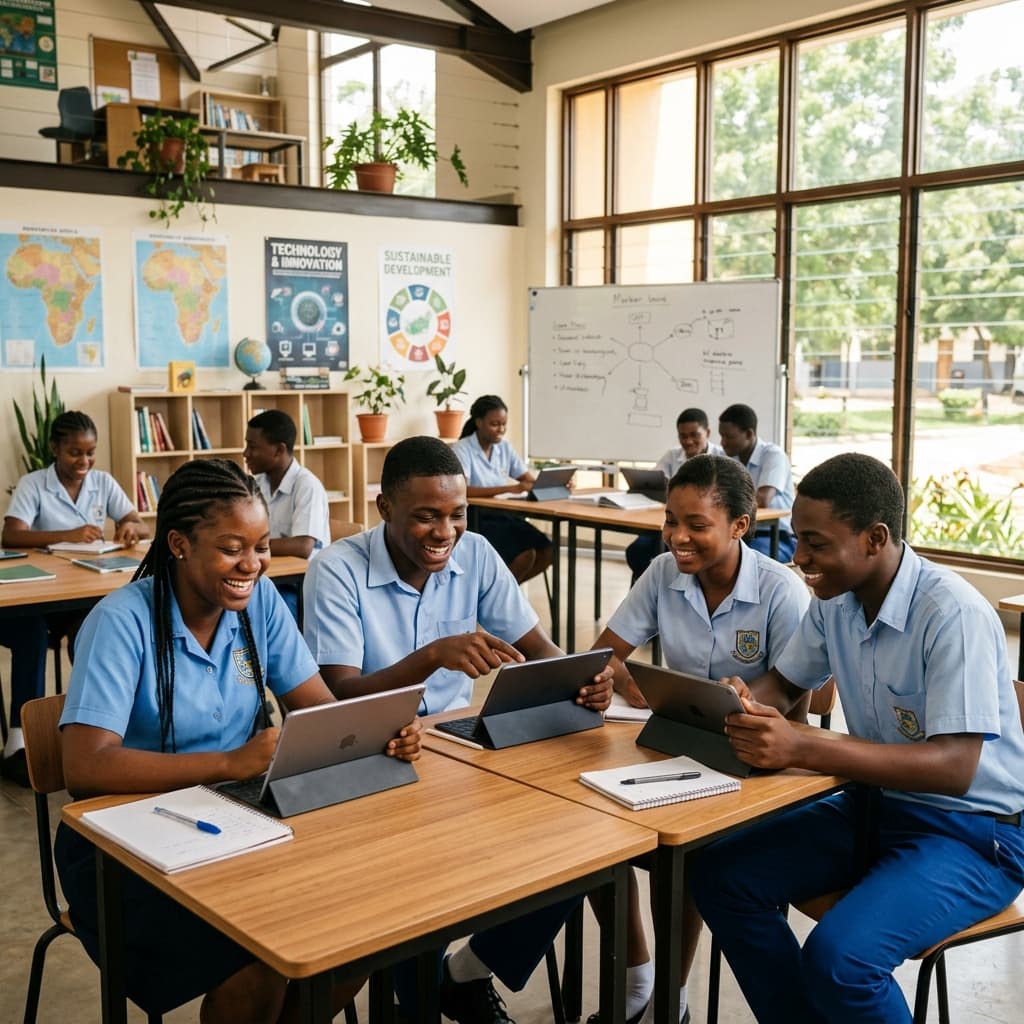
Accessing educational grants from institutional donors like the World Bank requires a clear understanding of their primary developmental priorities. Currently, West African initiatives focus heavily on SDG 4 (Quality Education), aiming specifically to increase school completion rates, enhance digital literacy, and provide modern STEM facilities in underserved communities.
Core Eligibility and Structural Benchmarks
Before applying, secondary schools and universities must pass specific structural audits. Your application must demonstrate:
- Legal Registration: Verified operational licensing from the national ministry of education.
- Financial Compliance: Three years of audited financial statements showing sound governance.
- Local Impact: Quantitative data demonstrating how the intervention serves marginalized communities.
Writing the Winning Educational Proposal
Your proposal must avoid generic descriptions and focus on measurable milestones. Replace vague phrases like "we want to renovate classrooms" with "we will construct 4 state-of-the-art physics laboratories serving 1,200 students, increasing science enrollment by 35% within 12 months."
"Aligning project metrics with donor-specific indicator systems is the single most critical factor in passing the first stage of global peer reviews."
For detailed advisory assistance on aligning your school's development plan, submit your institution's profile to our active advisory matching system.
Does your institution need matching international funding?
Our West African development finance desks are actively looking for schools, health institutions, cooperatives, and NGOs to structure for verified global intervention programs.